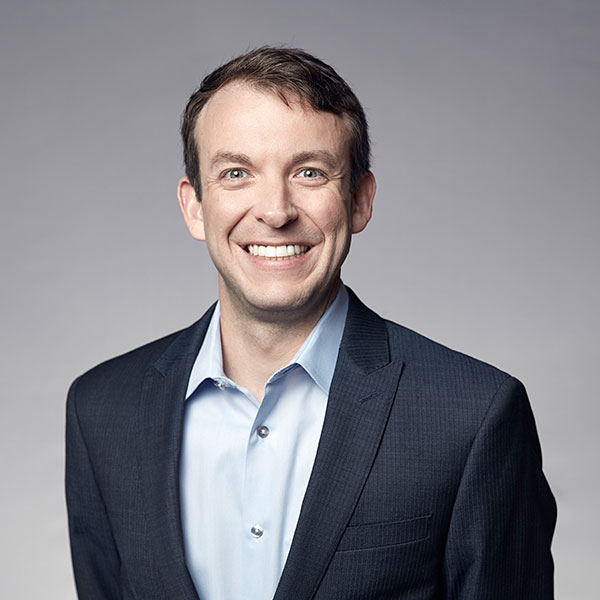
By: Daniel Hughes
What Racing Motorcycles Taught Me About Risk, Preparation, and Financial Planning
At Live Oak Private Wealth, we spend a lot of time thinking about how to talk with people about financial planning and investing in a way that actually resonates. For me, the best writing usually starts with something personal.
Back in 2019, I wrote my first blog about motorcycles and the idea of Dressing for the Slide, Not the Ride – Estate Planning. The point was not about riding defensively or expecting the worst. It was about acknowledging that risk exists and preparing for it before it shows up.
Some people know that motorcycles are not just an interest of mine. They are my primary hobby.
I race them.
Not for the adrenaline or the speed, but because racing forces you to confront risk honestly. You cannot eliminate it. You cannot ignore it. You can only understand it, prepare for it, and decide very intentionally how much you are willing to take on. Ignoring risk does not make it disappear. It just makes the consequences more expensive.
That mindset shapes how I think about life, investing, and financial planning. In this post, I want to explore how the same principles apply in both places – how preparation, compromise, and thoughtful risk-taking show up on the track and in building long term financial soundness.
Risk Is Not the Enemy. Ignoring It Is.
In motorcycle racing, one of the easiest ways to get yourself into trouble is chasing another rider. You see someone ahead of you carrying more speed, braking later, or exiting corners faster, and the temptation is to keep up. The problem is that you do not always see the preparation behind it – their experience, their setup, and the margin they have built over time.
When you chase without earning it, you are taking on risk you do not fully understand.
That is when mistakes happen. Not because you are reckless, but because you are operating beyond your limits instead of riding your own plan.
The smarter approach is consistency. Riding within your capabilities, building pace gradually, and focusing on clean laps instead of a single fast one often brings you home safely. It also tends to produce better results over time. Riders who chase lap times early often burn out, lose focus, or make a small mistake that ends their day. Consistency leaves room for correction. It gives you options.
The same dynamic shows up in investing and financial planning. Chasing returns or trying to keep up with the Joneses often means taking risks you do not fully understand. The cost is not always immediate. It simply delays the bill until you have fewer options and less margin.
Building a consistent plan and sticking to it through different conditions is usually what gets people where they are trying to go, even when progress is not linear. It may not be flashy, but it is durable. And durability matters more than short term wins.
Preparation Is the Real Advantage
In motorcycle racing, preparation does not happen on the track. It happens long before you ever roll out of pit lane. Showing up rested and hydrated matters. Having a bike that is mechanically ready matters. Understanding the track you are about to ride, including where it tightens up, where mistakes tend to happen, and where patience matters, changes everything.
None of that guarantees a perfect day. Skipping it almost guarantees a worse one.
A lot of preparation looks boring from the outside. Logging suspension settings. Tracking tire pressures. Writing down what worked, what did not, and why. Making small adjustments instead of guessing. Having the bike ready for the conditions you actually have, not the ones you wish you had.
Because something always goes wrong.
Preparation shows its real value when the plan breaks down. A rider crashes in front of you. A mechanical issue pops up. Last year, a goose wandered onto the track mid session. Those are not moments for speed or bravado. They are moments for judgment.
When you have done the work ahead of time, you do not panic. You adapt. You make calmer decisions because you are not already operating at the edge of your capacity.
Financial planning works the same way. Preparation does not predict markets or prevent surprises. It improves decision making when surprises show up. During volatility or economic slowdowns, the people who struggle most are often the ones who were relying on hope instead of preparation.
Confidence without preparation is just hope, and as the adage goes, “hope is not a strategy”. Preparation is what allows you to be aggressive when it makes sense, and patient when it does not.
The real advantage is not avoiding risk. It is being ready for it.
Every Goal Requires a Compromise
In racing, every decision comes with a tradeoff. You can push harder for faster lap times, but you give up margin for error. You can ride conservatively, but you may leave speed on the table. You can chase one perfect lap, or you can focus on being consistent enough to finish the day upright.
There is no right answer. Only choices and consequences.
The riders who get into trouble are often the ones who pretend there is no tradeoff. They want maximum speed and maximum safety. They want to keep up with faster riders without doing the work to build up to it. Eventually, reality steps in and makes the decision for them.
Financial planning is no different. Every meaningful goal involves balancing competing priorities. Growth versus stability. Enjoying life today versus flexibility later. Certainty versus opportunity.
Good planning is not about eliminating compromise. It is about choosing the compromises that align with your values and your goals. Some people prioritize consistency and peace of mind. Others are comfortable with more volatility because they have time, flexibility, or a specific objective in mind.
Problems arise when the strategy and the goal do not match.
The hard part is not making the decision. It is sticking with it when conditions change or when someone else appears to be going faster. That is where discipline shows up, both on the track and in your financial life.
Compromise is not failure. It is the cost of pursuing what matters most to you, in a world that rarely offers perfect choices.
Confidence Comes From the Process
When preparation pays off on the track, the experience changes completely. Riding feels relaxed. Faster lap times come more easily. You see passes earlier and execute them quickly and safely. You use less energy and can maintain speed for longer. When something unexpected happens, or when you make a small mistake, it is corrected quickly and without drama.
That confidence is not adrenaline. It is clarity.
When the process is not there, everything feels harder. You carry tension throughout your body. Fatigue sets in faster. Mistakes happen more frequently and often lead to more mistakes. You start reacting instead of riding.
Over time, trusting the process has taught me patience. When I let myself build through the day, gauge the conditions, and allow confidence to develop naturally, I am typically strongest later. I do not try to force speed early. I wait until it makes sense to push.
I have been riding on track for about fifteen years. In that time, I have had only two minor crashes. Both came from the same mistake: losing calm when the day went sideways and trying to force outcomes to make up time. Considering the number of laps I have done, that is a remarkably low number. Through preparation and process, not recklessness or impatience, I have developed the ability to run lap times that could qualify for a MotoAmerica race.
That matters to me, not because of the number, but because it came without going over the limit to find the limit.
The same dynamic shows up in financial planning. People with a solid process do not panic during market corrections or economic slowdowns. They make better decisions. They ask better questions. They are less afraid to spend money on the things they enjoy because they understand the tradeoffs and trust the plan.
The process does not guarantee outcomes. It gives you the confidence to live with them.
And that, more than anything else, is the point.
DISCLOSURES:
Live Oak Private Wealth is a subsidiary of Live Oak Bank. Investment advisory services are offered through LOPW, LLC, an Independent Registered Investment Advisor. Registration does not imply a certain level of skill or training. More information about Live Oak Private Wealth including our advisory services, fees, and objectives can be found in our ADV Part 2A and or Form CRS, which are available upon request.
In motorcycle racing, preparation does not happen on the track. It happens long before you ever roll out of pit lane. Showing up rested and hydrated matters. Having a bike that is mechanically ready matters. Understanding the track you are about to ride, including where it tightens up, where mistakes tend to happen, and where patience matters, changes everything.
None of that guarantees a perfect day. Skipping it almost guarantees a worse one.
A lot of preparation looks boring from the outside. Logging suspension settings. Tracking tire pressures. Writing down what worked, what did not, and why. Making small adjustments instead of guessing. Having the bike ready for the conditions you actually have, not the ones you wish you had.
Because something always goes wrong.
Preparation shows its real value when the plan breaks down. A rider crashes in front of you. A mechanical issue pops up. Last year, a goose wandered onto the track mid session. Those are not moments for speed or bravado. They are moments for judgment.
When you have done the work ahead of time, you do not panic. You adapt. You make calmer decisions because you are not already operating at the edge of your capacity.
Financial planning works the same way. Preparation does not predict markets or prevent surprises. It improves decision making when surprises show up. During volatility or economic slowdowns, the people who struggle most are often the ones who were relying on hope instead of preparation.
Confidence without preparation is just hope, and as the adage goes, “hope is not a strategy”. Preparation is what allows you to be aggressive when it makes sense, and patient when it does not.
The real advantage is not avoiding risk. It is being ready for it.
Every Goal Requires a Compromise
In racing, every decision comes with a tradeoff. You can push harder for faster lap times, but you give up margin for error. You can ride conservatively, but you may leave speed on the table. You can chase one perfect lap, or you can focus on being consistent enough to finish the day upright.
There is no right answer. Only choices and consequences.
The riders who get into trouble are often the ones who pretend there is no tradeoff. They want maximum speed and maximum safety. They want to keep up with faster riders without doing the work to build up to it. Eventually, reality steps in and makes the decision for them.
Financial planning is no different. Every meaningful goal involves balancing competing priorities. Growth versus stability. Enjoying life today versus flexibility later. Certainty versus opportunity.
Good planning is not about eliminating compromise. It is about choosing the compromises that align with your values and your goals. Some people prioritize consistency and peace of mind. Others are comfortable with more volatility because they have time, flexibility, or a specific objective in mind.
Problems arise when the strategy and the goal do not match.
The hard part is not making the decision. It is sticking with it when conditions change or when someone else appears to be going faster. That is where discipline shows up, both on the track and in your financial life.
Compromise is not failure. It is the cost of pursuing what matters most to you, in a world that rarely offers perfect choices.
Confidence Comes From the Process
When preparation pays off on the track, the experience changes completely. Riding feels relaxed. Faster lap times come more easily. You see passes earlier and execute them quickly and safely. You use less energy and can maintain speed for longer. When something unexpected happens, or when you make a small mistake, it is corrected quickly and without drama.
That confidence is not adrenaline. It is clarity.
When the process is not there, everything feels harder. You carry tension throughout your body. Fatigue sets in faster. Mistakes happen more frequently and often lead to more mistakes. You start reacting instead of riding.
Over time, trusting the process has taught me patience. When I let myself build through the day, gauge the conditions, and allow confidence to develop naturally, I am typically strongest later. I do not try to force speed early. I wait until it makes sense to push.
I have been riding on track for about fifteen years. In that time, I have had only two minor crashes. Both came from the same mistake: losing calm when the day went sideways and trying to force outcomes to make up time. Considering the number of laps I have done, that is a remarkably low number. Through preparation and process, not recklessness or impatience, I have developed the ability to run lap times that could qualify for a MotoAmerica race.
That matters to me, not because of the number, but because it came without going over the limit to find the limit.
The same dynamic shows up in financial planning. People with a solid process do not panic during market corrections or economic slowdowns. They make better decisions. They ask better questions. They are less afraid to spend money on the things they enjoy because they understand the tradeoffs and trust the plan.
The process does not guarantee outcomes. It gives you the confidence to live with them.
And that, more than anything else, is the point.
DISCLOSURES:
Live Oak Private Wealth is a subsidiary of Live Oak Bank. Investment advisory services are offered through LOPW, LLC, an Independent Registered Investment Advisor. Registration does not imply a certain level of skill or training. More information about Live Oak Private Wealth including our advisory services, fees, and objectives can be found in our ADV Part 2A and or Form CRS, which are available upon request.